

Tem nhãn RFID - RFID Labels and Tags
1. Cấu trúc và hoạt động của nhãn RFID
1. RFID Label Structure and Operation
Nhãn RFID bao gồm hai thành phần chính:
An RFID label consists of two main components:
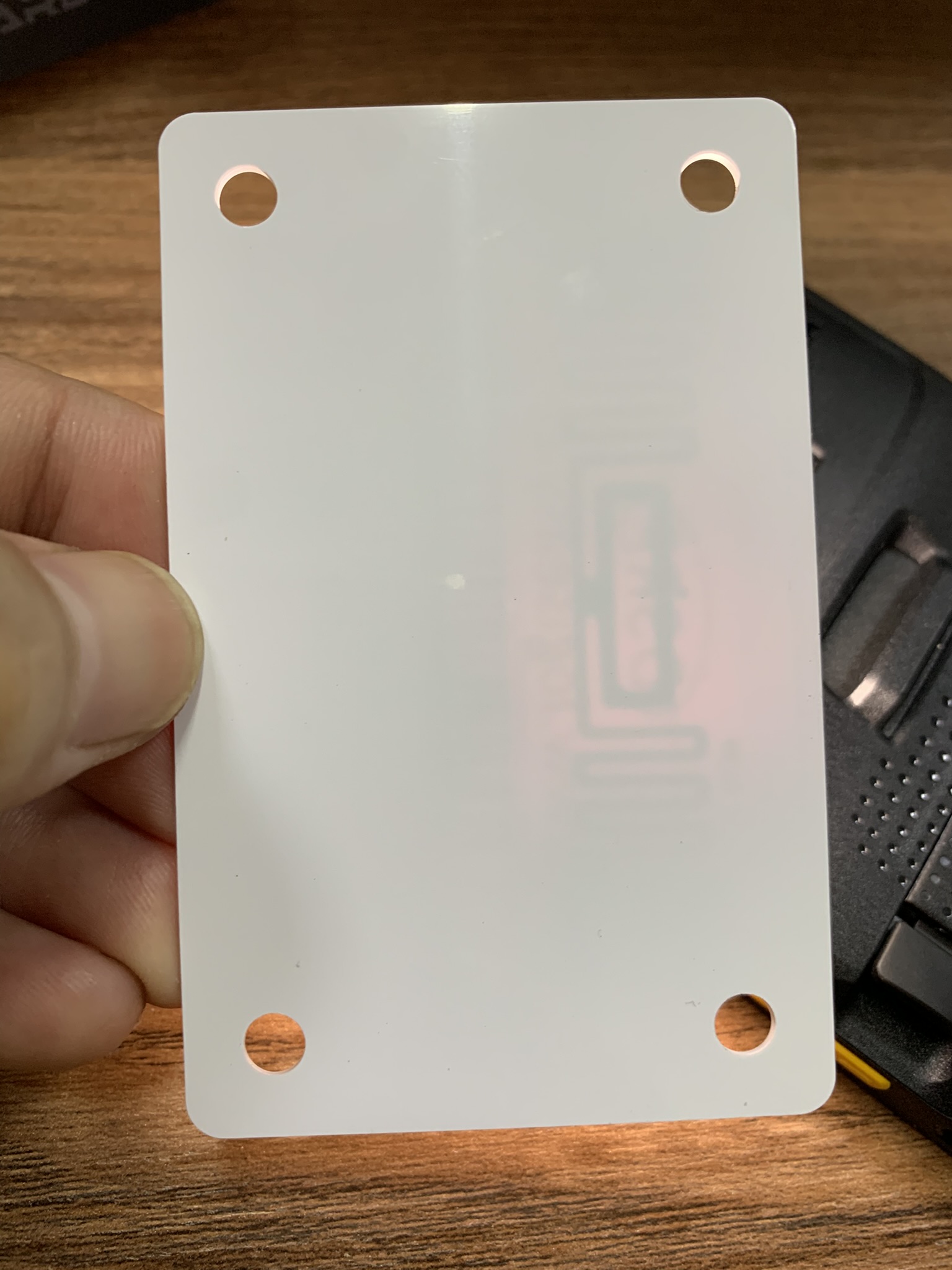
• Con chip (IC - Integrated Circuit): Đây là bộ phận quan trọng nhất của nhãn RFID. Chip IC lưu trữ thông tin và điều khiển hoạt động của nhãn. Các chip IC có thể được lập trình để chứa dữ liệu cụ thể, chẳng hạn như số seri, mã sản phẩm, hoặc các thông tin khác.
• Integrated Circuit (IC) Chip: The IC chip is a key component of an RFID tag. It stores data and manages the tag's communication with the RFID reader. Depending on the chip type, it can store information such as a unique identifier (EPC), a serial number, product codes, and other relevant data.

Thẻ hành lý có gắn chip RFID
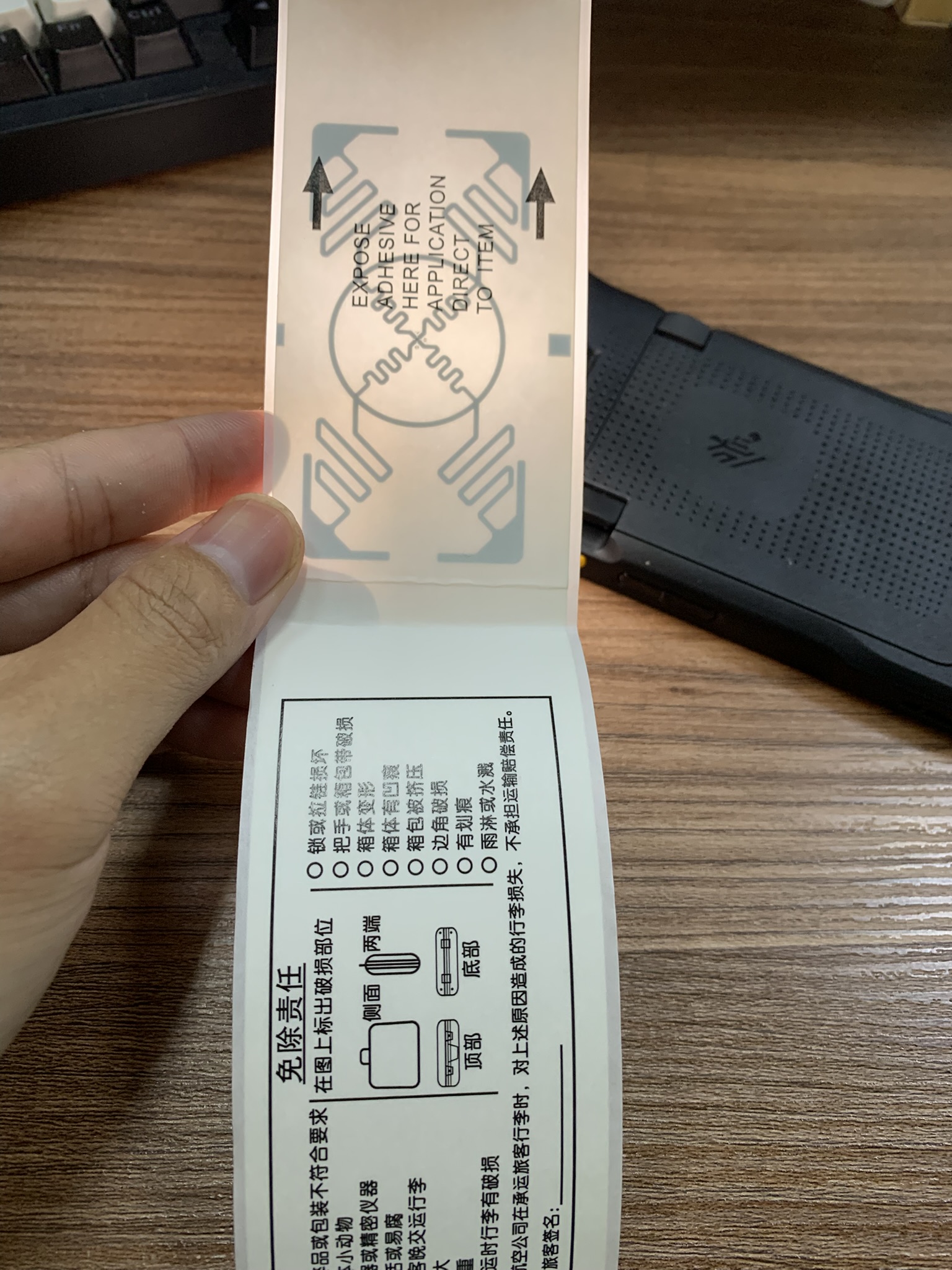

Nhãn quần áo có gắn RFID
Khi quần áo hoặc giày dép gắn nhãn RFID thì khi kiểm kho sẽ cho tốc độ kiểm kho cực kỳ nhanh chóng với tốc độ quét có thể lên đến 1300 sản phẩm/ giây.
• Ăng-ten: Ăng-ten giúp nhãn RFID nhận và truyền tín hiệu từ và đến thiết bị đọc RFID. Kích thước và hình dạng của ăng-ten có thể khác nhau tùy thuộc vào phạm vi hoạt động và tần số sử dụng.
• Antenna: The antenna enables the RFID tag to receive radio-frequency signals from the RFID reader and transmit data back to it. Its size and shape vary depending on the operating frequency, read range, and intended application.

Nhãn RFID hoạt động dựa trên nguyên lý giao tiếp không dây giữa nhãn và thiết bị đọc RFID (RFID reader). Khi nhãn RFID nằm trong phạm vi của sóng radio do thiết bị đọc phát ra, ăng-ten của nhãn sẽ thu nhận sóng này và kích hoạt con chip IC. Con chip sẽ truyền tải thông tin đã lưu trữ đến thiết bị đọc. Quá trình này diễn ra rất nhanh, cho phép nhận diện và theo dõi các đối tượng trong thời gian thực.
RFID labels operate based on wireless communication between the RFID tag and an RFID reader. When an RFID tag enters the reader's radio-frequency field, its antenna receives the RF signal. In passive RFID tags, the energy harvested from this signal powers the IC chip, enabling it to respond by transmitting its stored data back to the reader through modulated radio waves.
This process occurs rapidly, allowing multiple tagged items to be identified simultaneously and tracked in near real time, depending on the RFID system and application.


• Nhãn RFID thụ động (Passive RFID): Không có nguồn năng lượng riêng, nhãn thụ động nhận năng lượng từ sóng radio do thiết bị đọc phát ra. Loại nhãn này có chi phí thấp và tuổi thọ cao, nhưng phạm vi hoạt động hạn chế (thường dưới 10 mét).
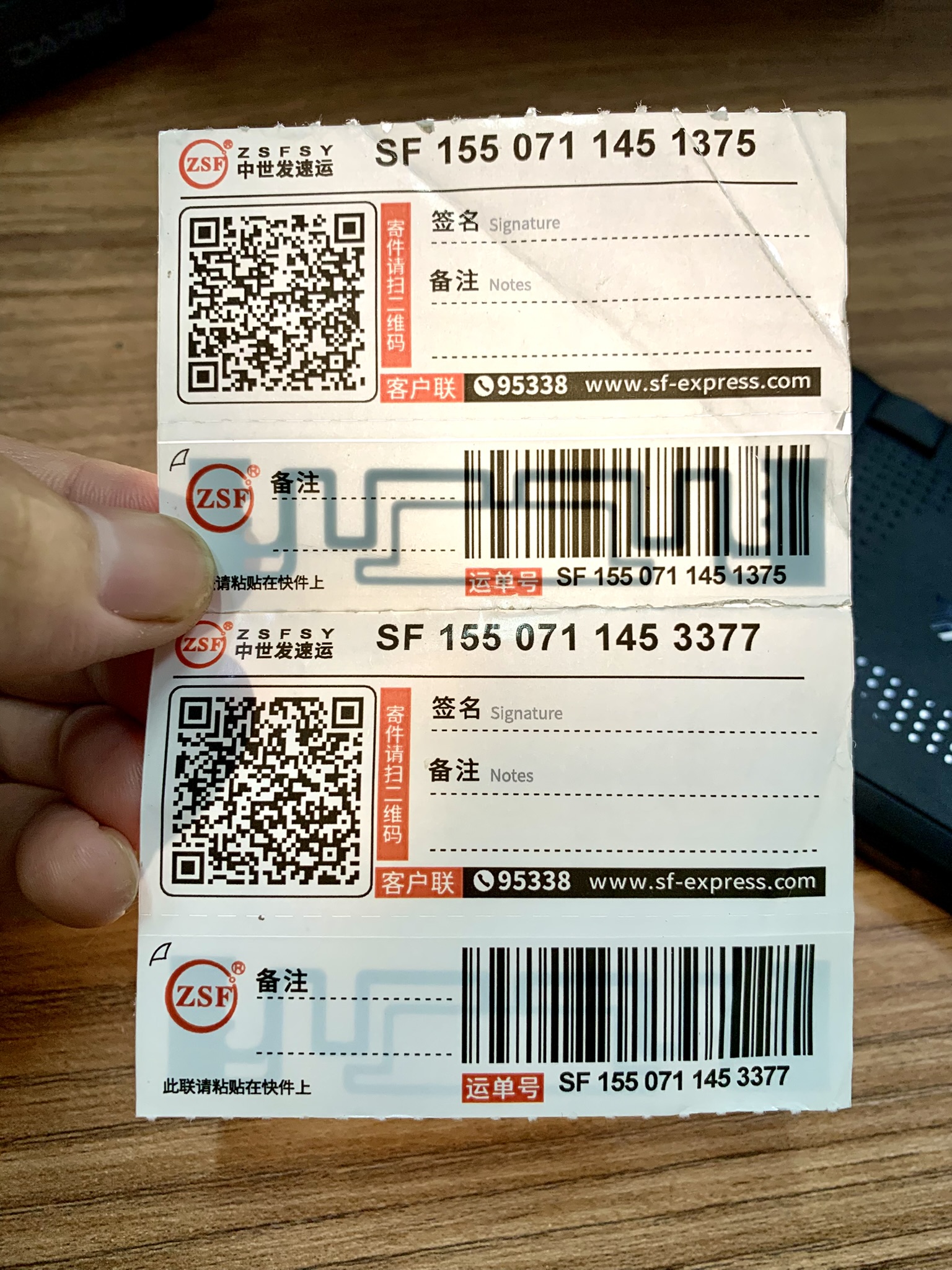
Passive RFID Tags: Passive RFID tags do not have an internal power source. Instead, they harvest energy from the radio-frequency signals transmitted by the RFID reader to power the IC chip and communicate with the reader. These tags are generally low-cost, compact, and offer a long service life. However, their read range is typically shorter than that of active RFID tags and depends on the operating frequency, reader power, antenna design, and surrounding environment. UHF passive RFID tags can achieve read ranges of several meters and, under suitable conditions, more than 10 meters.

• Nhãn RFID bán chủ động (Semi-Passive RFID): Sử dụng pin để hỗ trợ hoạt động của con chip, nhưng vẫn nhận năng lượng từ sóng radio để truyền tín hiệu. Nhãn bán chủ động có phạm vi hoạt động rộng hơn so với nhãn thụ động.
• Nhãn RFID chủ động (Active RFID): Có nguồn năng lượng riêng (pin hoặc pin mặt trời), giúp truyền tín hiệu mạnh hơn và ở khoảng cách xa hơn (lên đến vài trăm mét). Nhãn chủ động thường được sử dụng trong các ứng dụng yêu cầu phạm vi rộng và độ chính xác cao.
Semi-Passive RFID Tags (Battery-Assisted Passive RFID): These tags use an internal battery to power the IC chip and support its operation, but rely on the RFID reader's radio-frequency field to communicate. They can offer improved sensitivity and read performance compared with passive RFID tags, depending on the design. However, their read range is not necessarily longer in every application.
Active RFID Tags: These tags have their own power source, typically a battery, which powers the internal circuitry and enables the tag to actively transmit signals. Active RFID tags can achieve read ranges of tens to hundreds of meters, depending on the technology and operating environment. They are commonly used for real-time asset tracking, vehicle identification, and applications requiring long-range communication.

• Low Frequency (LF): Tần số hoạt động từ 30 kHz đến 300 kHz. Nhãn RFID LF có phạm vi hoạt động ngắn (khoảng 10 cm), nhưng khả năng xuyên qua vật cản tốt. Thường được sử dụng trong các ứng dụng nhận diện động vật và kiểm soát truy cập.
• High Frequency (HF): Tần số hoạt động từ 3 MHz đến 30 MHz. Nhãn RFID HF có phạm vi hoạt động trung bình (khoảng 10 cm đến 1 mét) và thường được sử dụng trong các ứng dụng thanh toán không tiếp xúc và thẻ thư viện.
• Ultra-High Frequency (UHF): Tần số hoạt động từ 300 MHz đến 3 GHz. Nhãn RFID UHF có phạm vi hoạt động rộng nhất (từ vài mét đến vài chục mét) và tốc độ truyền dữ liệu nhanh. Được sử dụng rộng rãi trong quản lý kho hàng, logistics và bán lẻ.
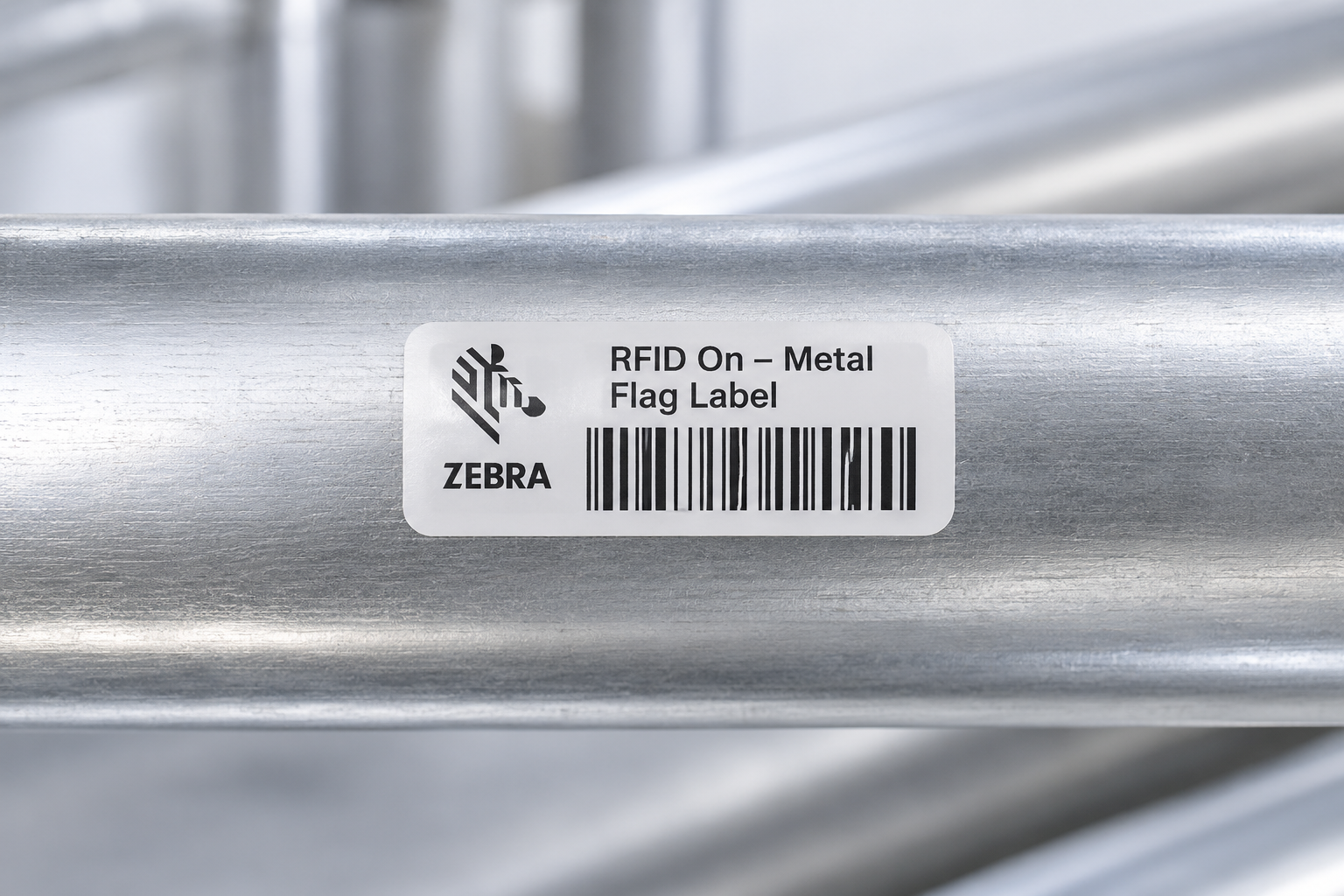
Thẻ RFID trên ống kim loại
Low Frequency (LF): Operates at frequencies between 30 kHz and 300 kHz, with 125 kHz and 134.2 kHz being common RFID frequencies. LF tags typically have a short read range of a few centimeters, although the actual range depends on the tag and reader design. They perform relatively well in environments involving water or biological tissues and are commonly used for animal identification and access control.
High Frequency (HF): Operates at frequencies between 3 MHz and 30 MHz, with 13.56 MHz being the most widely used RFID frequency in this category. HF tags typically have a read range of a few centimeters to several tens of centimeters, depending on the system. They are commonly used for contactless payments, library management, smart cards, and NFC applications.
Ultra-High Frequency (UHF): Operates at frequencies between 300 MHz and 3 GHz. Passive UHF RFID systems commonly operate in the 860–960 MHz range, depending on regional regulations. They can achieve read ranges of several meters or more than 10 meters under suitable conditions and support rapid bulk reading of multiple tags. UHF RFID is widely used in warehouse inventory management, logistics, retail, and supply chain operations.

• Quản lý kho hàng và logistics: Nhãn RFID được sử dụng rộng rãi trong quản lý kho hàng và logistics để theo dõi và quản lý hàng hóa. Các nhãn RFID gắn trên các sản phẩm hoặc pallet giúp theo dõi vị trí, số lượng và tình trạng của hàng hóa trong thời gian thực. Điều này giúp tối ưu hóa quy trình quản lý kho, giảm thiểu sai sót và cải thiện hiệu suất làm việc.
Warehouse Management and Logistics: RFID labels are widely used in warehouse management and logistics to identify, track, and manage goods throughout the supply chain. RFID tags attached to individual products, cartons, or pallets enable automated data collection and inventory tracking. By using RFID readers and inventory management software, businesses can quickly identify items, monitor stock levels, and record the movement of goods in near real time. This technology helps streamline warehouse operations, reduce inventory errors, improve stock accuracy, and increase operational efficiency.


RFID cho trang sức
• Bán lẻ: Trong ngành bán lẻ, nhãn RFID giúp cải thiện quy trình kiểm kê hàng hóa và quản lý kho. Các nhãn RFID gắn trên sản phẩm cho phép nhân viên cửa hàng kiểm kê hàng hóa nhanh chóng và chính xác mà không cần quét từng mã vạch. Ngoài ra, nhãn RFID còn giúp giảm thiểu mất mát hàng hóa và ngăn chặn trộm cắp.
Retail: In the retail industry, RFID labels improve inventory counting and stock management. RFID tags attached to products enable store employees to conduct inventory checks quickly and efficiently without scanning each barcode individually. RFID technology also helps improve stock visibility, reduce inventory discrepancies, and support loss prevention by enabling item-level tracking and integration with electronic article surveillance (EAS) systems.

• Sản xuất: Trong lĩnh vực sản xuất, nhãn RFID được sử dụng để theo dõi quá trình sản xuất và quản lý nguyên vật liệu. Các nhãn RFID gắn trên các thành phần và sản phẩm giúp theo dõi tiến độ sản xuất, quản lý tồn kho và đảm bảo chất lượng sản phẩm.
• Y tế: Nhãn RFID được sử dụng trong y tế để theo dõi thiết bị y tế, quản lý thuốc và hồ sơ bệnh nhân. Việc sử dụng nhãn RFID giúp đảm bảo tính chính xác và an toàn trong quản lý y tế, đồng thời cải thiện hiệu quả công việc của nhân viên y tế.
• An ninh và kiểm soát truy cập: Nhãn RFID được sử dụng trong các hệ thống kiểm soát truy cập để quản lý quyền truy cập vào các khu vực hạn chế. Thẻ RFID gắn trên thẻ nhân viên hoặc thẻ truy cập giúp xác thực danh tính và quyền truy cập của người sử dụng.
Manufacturing: In the manufacturing industry, RFID labels are used to track production processes and manage raw materials. RFID tags attached to components, work-in-progress items, and finished products help monitor production progress, manage inventory, improve traceability, and support quality control throughout the manufacturing process.
Healthcare: RFID labels are used in healthcare to track medical equipment, manage pharmaceutical inventory, and identify patient-related items. By enabling automated identification and tracking, RFID technology helps improve inventory accuracy, enhance patient safety, reduce the risk of errors, and increase operational efficiency for healthcare staff.
Security and Access Control: RFID technology is widely used in access control systems to manage entry to restricted areas. RFID cards or badges issued to employees and authorized personnel enable systems to verify credentials and grant or deny access according to predefined permissions. This helps improve security, streamline access management, and maintain access records.
• Tăng hiệu quả và độ chính xác: Nhãn RFID giúp tự động hóa quy trình nhận diện và theo dõi đối tượng, từ đó tăng cường hiệu quả và độ chính xác trong quản lý hàng hóa, kiểm kê và sản xuất. Điều này giúp giảm thiểu sai sót và tăng cường năng suất làm việc.
• Theo dõi thời gian thực: Khả năng theo dõi đối tượng trong thời gian thực là một trong những lợi ích lớn nhất của nhãn RFID. Điều này giúp các doanh nghiệp có cái nhìn tổng quan về tình trạng và vị trí của hàng hóa, từ đó đưa ra các quyết định kịp thời và chính xác.
• Giảm thiểu chi phí: Mặc dù đầu tư ban đầu cho hệ thống RFID có thể cao, nhưng lợi ích lâu dài về hiệu quả và độ chính xác giúp giảm thiểu chi phí vận hành và quản lý. Nhãn RFID giúp giảm thiểu mất mát hàng hóa, tối ưu hóa tồn kho và cải thiện quy trình làm việc.
• Nâng cao trải nghiệm khách hàng: Trong ngành bán lẻ, nhãn RFID giúp cải thiện quy trình kiểm kê hàng hóa và giảm thời gian chờ đợi của khách hàng. Khả năng quản lý hàng hóa chính xác và nhanh chóng giúp cung cấp dịch vụ tốt hơn và nâng cao trải nghiệm mua sắm của khách hàng.
Increased Efficiency and Accuracy: RFID labels automate the identification and tracking of items, improving efficiency and accuracy in inventory management, stocktaking, and manufacturing operations. This helps reduce human error, streamline workflows, and increase productivity.
Real-Time Tracking and Visibility: RFID technology enables businesses to monitor tagged items as they move through the supply chain, providing timely visibility into inventory levels, item locations, and movement records. This supports faster, more informed decision-making and improves inventory control.
Cost Reduction: Although the initial investment in an RFID system can be relatively high, long-term operational benefits can help reduce overall costs. RFID technology can minimize inventory discrepancies, reduce product losses, optimize stock levels, and improve operational efficiency.
Enhanced Customer Experience: In retail, RFID labels enable faster inventory checks and more accurate stock information, helping employees locate products more efficiently and improve product availability. RFID-enabled checkout systems can also reduce transaction times, contributing to a smoother and more convenient shopping experience.
• Chi phí đầu tư: Một trong những thách thức lớn nhất của việc triển khai hệ thống RFID là chi phí đầu tư ban đầu. Tuy nhiên, lợi ích lâu dài về hiệu quả và độ chính xác giúp bù đắp chi phí này. Các doanh nghiệp có thể bắt đầu bằng cách triển khai thử nghiệm trên một phần nhỏ của quy trình và mở rộng dần khi thấy được hiệu quả.
• Vấn đề bảo mật: Bảo mật thông tin là một vấn đề quan trọng khi sử dụng nhãn RFID. Các doanh nghiệp cần áp dụng các biện pháp bảo mật như mã hóa dữ liệu và xác thực để bảo vệ thông tin trên nhãn RFID khỏi các mối đe dọa tiềm ẩn.
• Sự tương thích và tiêu chuẩn hóa: Sự khác biệt trong tiêu chuẩn và công nghệ của các nhà cung cấp RFID có thể gây ra vấn đề tương thích. Để giải quyết vấn đề này, các doanh nghiệp nên lựa chọn các sản phẩm và giải pháp tuân thủ các tiêu chuẩn quốc tế như ISO và EPCglobal.
Initial Investment Costs: One of the biggest challenges in implementing an RFID system is the initial investment cost. However, the long-term benefits in terms of efficiency and accuracy can help offset these costs. Businesses can start with a pilot project in a small part of their operations and gradually expand implementation as they see measurable results.
Security Concerns: Data security is an important consideration when using RFID labels. Businesses should implement appropriate security measures, such as data encryption and authentication, to protect information stored on or transmitted by RFID labels from potential threats.
Compatibility and Standardization: Differences in RFID standards and technologies among vendors can lead to compatibility issues. To address this challenge, businesses should choose products and solutions that comply with relevant international standards, such as ISO standards and EPCglobal specifications.
► Nhãn RFID là một công nghệ mạnh mẽ với nhiều ứng dụng và lợi ích trong các ngành công nghiệp khác nhau. Việc sử dụng nhãn RFID giúp tăng cường hiệu quả, độ chính xác và khả năng theo dõi trong thời gian thực, từ đó cải thiện quy trình quản lý và vận hành của doanh nghiệp. Mặc dù có một số thách thức, nhưng với các giải pháp thích hợp, nhãn RFID chắc chắn sẽ mang lại nhiều giá trị và lợi ích cho doanh nghiệp trong tương lai.
RFID labels are a powerful technology offering a wide range of applications and benefits across various industries. By improving efficiency, accuracy, and real-time tracking capabilities, RFID technology helps businesses optimize their management processes and operational workflows. Although implementation may present certain challenges, appropriate solutions can help businesses overcome these obstacles and maximize the value of RFID labels, making them a valuable investment for future growth and operational improvement.
1. Chi phí linh kiện (Hardware)
Đây là phần lõi chiếm tỷ trọng lớn nhất:
The cost of RFID labels depends on several factors:
This is one of the main cost components:
IC Chip: Chips with larger memory capacities or advanced security features generally cost more. UHF chips are often less expensive than HF/NFC chips, although the actual cost depends on the chip specifications and application.
Antenna: Copper or silver antennas are generally more expensive than aluminum antennas. Larger antennas typically require more material, which can increase production costs.
2. Loại nhãn và Vật liệu bao phủ (Form Factor)
Paper Labels (Dry/Wet Inlays): Generally the most affordable option, commonly used for carton labeling and warehouse inventory management.
Hard Tags: Considerably more expensive because they use durable materials such as ABS plastic, ceramic, or metal to withstand impacts, high temperatures, or chemical exposure.
Specialty Labels: On-metal RFID labels are designed for use on metal surfaces and typically incorporate a specialized spacer or isolation layer to maintain RFID performance. Their cost is generally higher than that of standard RFID labels.
3. Công nghệ và Tần số
Low Frequency (LF): LF RFID tags can be relatively expensive due to their specific manufacturing requirements. They are commonly used for animal identification and livestock tracking.
High Frequency (HF/NFC): HF/NFC tags are available at a range of price points and are commonly used for contactless payments, membership cards, and access control.
Ultra-High Frequency (UHF): UHF RFID labels are often highly cost-effective for large-volume production, making them widely used in retail, warehousing, and logistics.
4. Số lượng đặt hàng (Economy of Scale)
RFID là ngành công nghiệp phụ thuộc nặng nề vào quy mô.
Nên để có giá chính xác nhất bạn vui lòng liên hệ
Bạn cần tư vấn về nhãn RFID, hãy liên hệ ngay Mã Vạch Bình Dương qua hotline hoặc email
Hotline: 0933.433.017 - Mr Thiên Ân
Email: info@binhduongbarcode.com
Website: https://binhduongbarcode.com
The RFID industry is highly dependent on production volume and economies of scale.
Small Orders (A Few Hundred Labels): The unit price can be two to three times higher than the price for bulk orders.
Bulk Orders (Hundreds of Thousands to Millions of Labels): Unit costs can decrease significantly. For basic UHF RFID labels, prices may fall to just a few cents per label, depending on specifications and order volume.
For the most accurate pricing, please contact us directly.
For expert advice and solutions tailored to your RFID labeling needs, contact Mã Vạch Bình Dương via hotline or email.
Hotline: 0933.433.017 – Mr. Thiên Ân
Email: info@binhduongbarcode.com
Website: https://binhduongbarcode.com