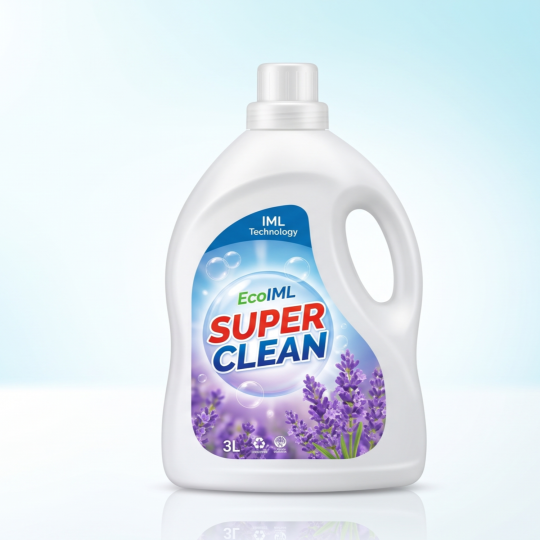
Blow Molding IML
Trong ngành công nghiệp bao bì nhựa và trang trí bề mặt sản phẩm, In-Mold Labeling (IML) và In-Mold Decoration (IMD/FIM) là những công nghệ tiên tiến, cho phép tích hợp hình ảnh, thông tin và họa tiết trang trí trực tiếp vào sản phẩm ngay trong quá trình tạo hình nhựa.
Khác với phương pháp dán nhãn truyền thống, công nghệ In-Mold sử dụng nhãn hoặc màng in chuyên dụng được đặt vào bên trong khuôn trước khi ép nhựa. Trong quá trình gia công, lớp nhãn liên kết với vật liệu nhựa, tạo thành sản phẩm hoàn chỉnh có bề mặt trang trí liền mạch.
Để đảm bảo chất lượng sản phẩm, việc lựa chọn nguyên liệu đóng vai trò rất quan trọng. Vật liệu In-Mold thường được chia thành 3 nhóm chính: màng/nhãn nền, nhựa tạo hình thân sản phẩm và mực in/lớp phủ bảo vệ.
Đây là lớp vật liệu mang nội dung in ấn, hình ảnh, màu sắc hoặc họa tiết trang trí. Vật liệu phải có khả năng chịu được điều kiện gia công, tương thích với nhựa nền và đảm bảo độ bám dính trong quá trình ép khuôn.
Màng PP (Polypropylene)
PP là vật liệu phổ biến nhất trong công nghệ IML, đặc biệt đối với ngành bao bì thực phẩm.
Đặc điểm:
Có trọng lượng nhẹ, độ bền cơ học tốt.
Khả năng chống ẩm và kháng hóa chất tương đối tốt.
Có thể sản xuất dạng màng trắng, trong suốt, trắng bóng hoặc màng mạ kim loại.
Tương thích tốt với thân sản phẩm bằng nhựa PP khi lựa chọn đúng cấu trúc vật liệu.
Hỗ trợ định hướng tái chế đơn vật liệu (Mono-material).
Ứng dụng: Cốc sữa chua, hộp kem, hộp bơ, hộp thực phẩm, thùng sơn và bao bì nhựa gia dụng.
Màng PE (Polyethylene) và màng ghép đa lớp
Màng PE và các cấu trúc màng ghép được sử dụng trong một số ứng dụng bao bì cần đặc tính mềm dẻo hoặc yêu cầu tương thích với vật liệu nhựa nền.
Đặc điểm:
Có độ dẻo dai và khả năng chống ẩm tốt.
Có thể điều chỉnh tính chất thông qua cấu trúc màng và các lớp vật liệu.
Phù hợp với một số ứng dụng bao bì và trang trí chuyên biệt.
Ứng dụng: Bao bì nhựa dẻo, một số loại chai, hũ và sản phẩm có cấu trúc vật liệu đặc thù.
Màng PET (Polyethylene Terephthalate) và PC (Polycarbonate)
Đây là nhóm vật liệu thường được sử dụng trong công nghệ IMD/FIM, đặc biệt khi sản phẩm yêu cầu chất lượng trang trí bề mặt cao.
Đặc điểm:
Độ cứng và độ ổn định kích thước tốt.
Có khả năng chịu nhiệt phù hợp với từng cấp vật liệu.
Bề mặt có độ trong suốt và khả năng hiển thị hình ảnh tốt.
Phù hợp với các quy trình tạo hình, ép và trang trí bề mặt phức tạp.
Ứng dụng: Vỏ thiết bị điện tử, bảng điều khiển, thiết bị gia dụng, linh kiện nội thất ô tô và các chi tiết nhựa trang trí.
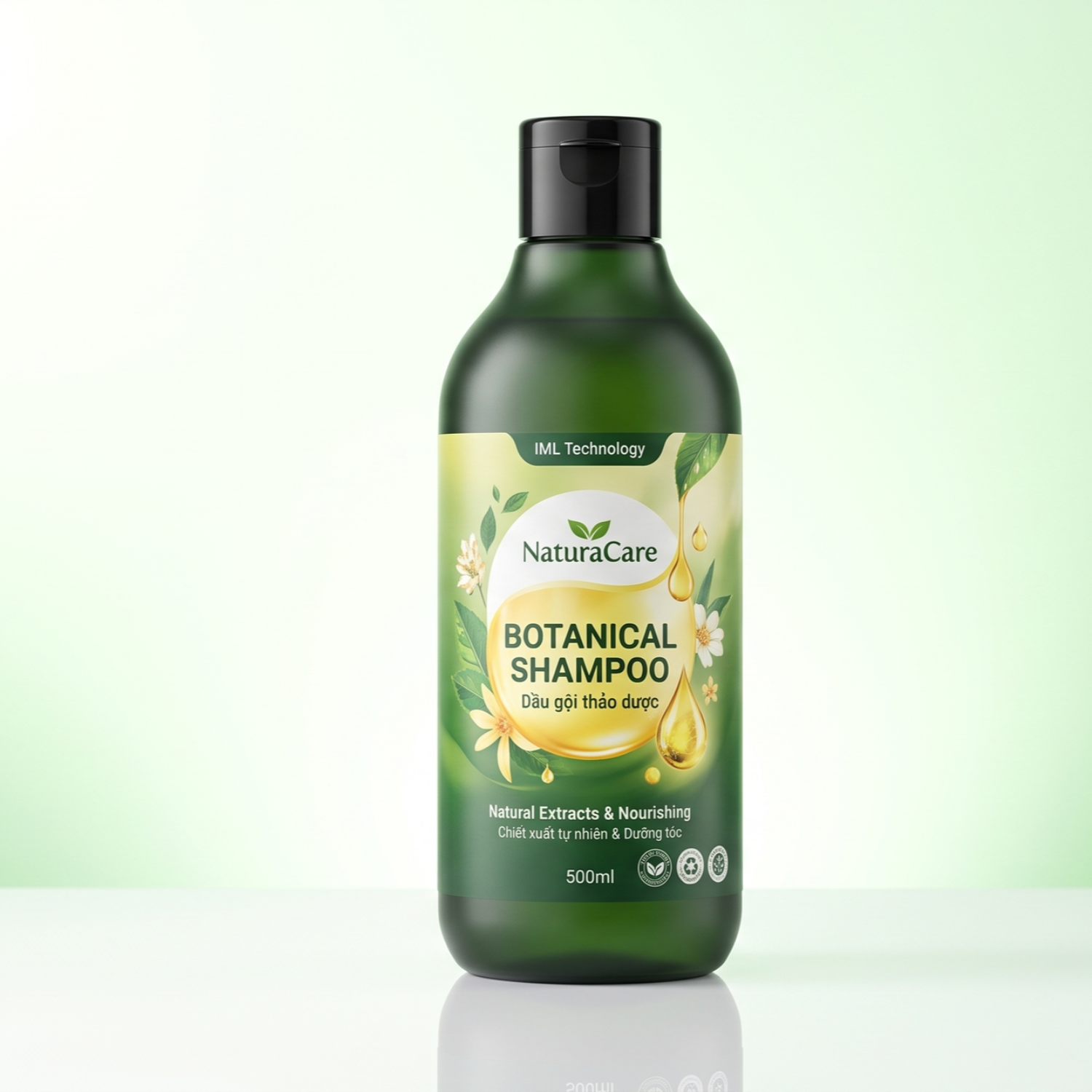
Nhãn giấy và màng vật liệu đặc thù
Ngoài các loại màng polymer, một số ứng dụng chuyên biệt có thể sử dụng vật liệu giấy hoặc màng có cấu trúc đặc biệt.
Việc lựa chọn phụ thuộc vào khả năng chịu nhiệt, độ ổn định, tính tương thích với nhựa nền và yêu cầu của quy trình ép khuôn.
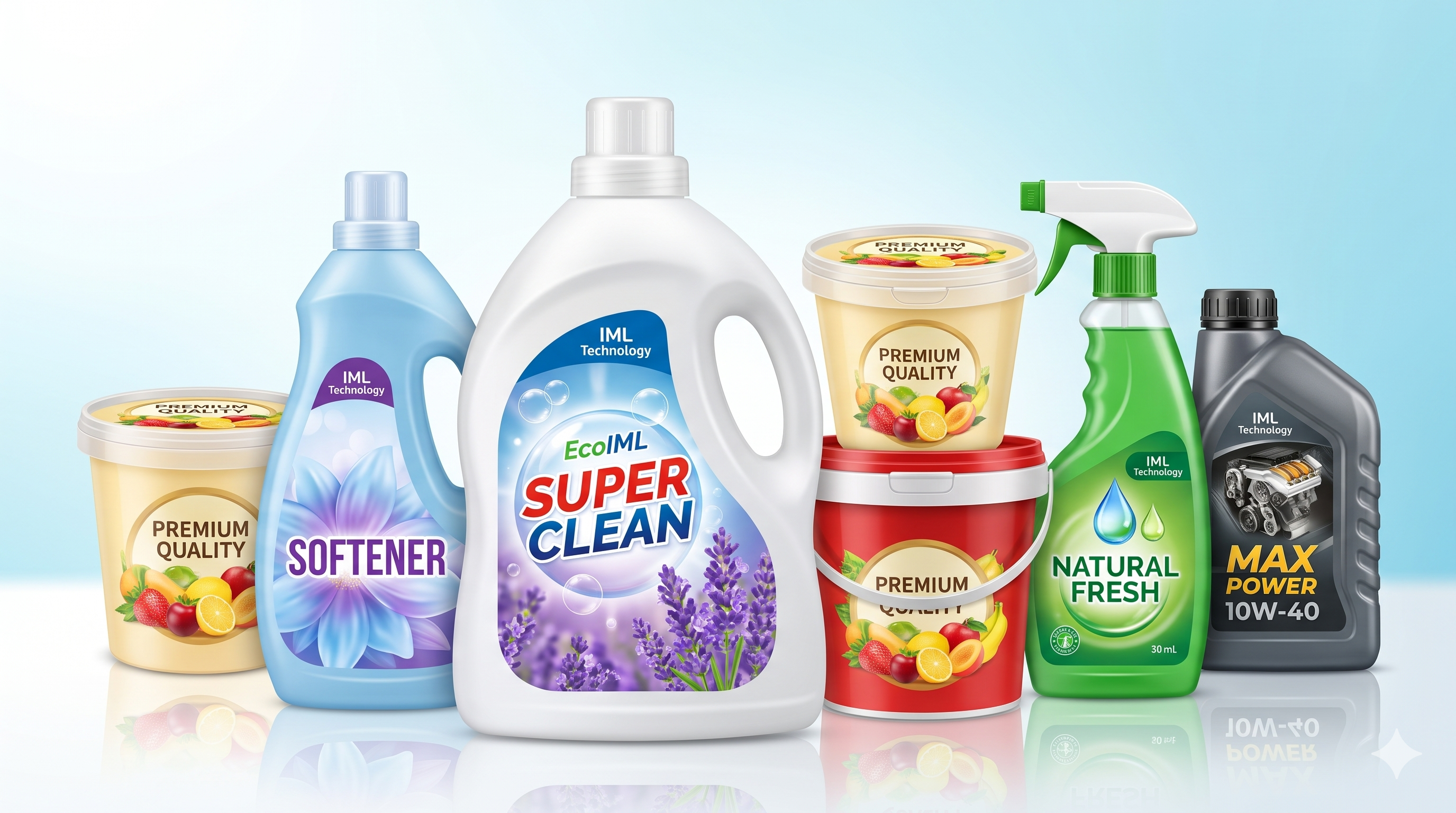
Đây là vật liệu nhựa được đưa vào khuôn để tạo thành thân sản phẩm, đồng thời liên kết với lớp nhãn hoặc màng trang trí.
Một số loại nhựa phổ biến gồm:
PP (Polypropylene): Phổ biến trong sản xuất cốc, hộp thực phẩm, thùng nhựa và bao bì tiêu dùng. Đặc biệt phù hợp với IML sử dụng nhãn PP.
PE (Polyethylene): Có tính dẻo dai, chống ẩm tốt, được sử dụng trong một số ứng dụng bao bì và sản phẩm nhựa.
ABS (Acrylonitrile Butadiene Styrene): Có độ cứng và khả năng chịu va đập tốt, thường dùng trong sản xuất vỏ thiết bị và đồ gia dụng.
PC (Polycarbonate): Có độ bền va đập và khả năng chịu nhiệt tốt, phù hợp với các chi tiết kỹ thuật và trang trí bề mặt.
PC/ABS: Kết hợp một số ưu điểm của hai loại nhựa, thường được sử dụng trong linh kiện điện tử và nội thất ô tô.
Lưu ý: Không phải mọi loại màng nhãn đều tương thích với tất cả các loại nhựa tạo hình. Cần lựa chọn vật liệu dựa trên nhiệt độ gia công, tính chất bề mặt và cơ chế liên kết giữa các lớp.
Mực in và lớp phủ đóng vai trò quyết định đến chất lượng hình ảnh, độ bền màu và khả năng bảo vệ bề mặt của nhãn In-Mold.
Mực in chuyên dụng
Tùy theo vật liệu màng và công nghệ in, nhà sản xuất có thể sử dụng:
Mực in Flexo.
Mực in Offset.
Mực in Gravure (ống đồng).
Các hệ mực UV hoặc hệ mực gốc dung môi phù hợp với yêu cầu gia công.
Mực in cần có độ bám dính tốt trên bề mặt màng, khả năng chịu nhiệt và độ ổn định màu sắc trong quá trình ép khuôn.
Lớp phủ bảo vệ (Protective Coating)
Lớp phủ được sử dụng nhằm bảo vệ hình ảnh in và cải thiện đặc tính bề mặt sản phẩm.
Các chức năng chính:
Tăng khả năng chống trầy xước và mài mòn.
Bảo vệ màu sắc trước tác động của môi trường.
Tạo hiệu ứng bề mặt bóng, mờ hoặc có kết cấu đặc biệt.
Cải thiện khả năng chống hóa chất tùy theo hệ phủ.
Đối với từng ứng dụng, cấu trúc mực và lớp phủ phải được thiết kế phù hợp với quy trình in, tạo hình và ép khuôn.
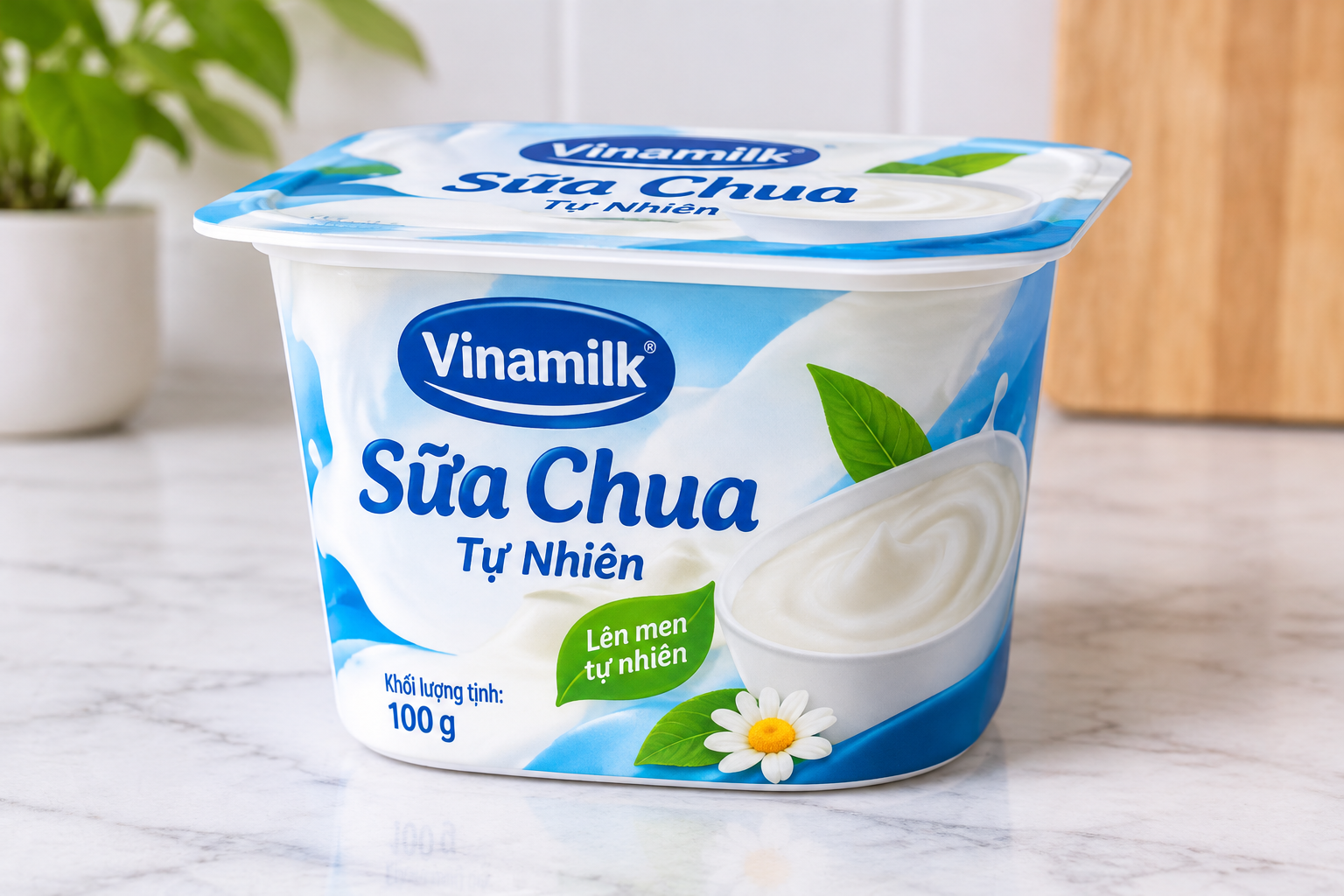
Mặc dù cùng thuộc nhóm công nghệ tích hợp nhãn hoặc trang trí trong quá trình tạo hình, IML và IMD/FIM có sự khác biệt về mục đích sử dụng và cấu trúc vật liệu.
| Tiêu chí | IML | IMD/FIM |
|---|---|---|
| Mục đích | Gắn nhãn lên sản phẩm nhựa | Trang trí bề mặt sản phẩm |
| Vật liệu phổ biến | Màng PP | Màng PET, PC |
| Ứng dụng | Bao bì, cốc, hộp, thùng sơn | Điện tử, ô tô, gia dụng |
| Yêu cầu chính | Độ bám, độ bền màu, tương thích vật liệu | Khả năng tạo hình, chịu nhiệt, độ bền bề mặt |
| Sản phẩm | Nhãn tích hợp trên bao bì | Bề mặt trang trí tích hợp trên chi tiết nhựa |
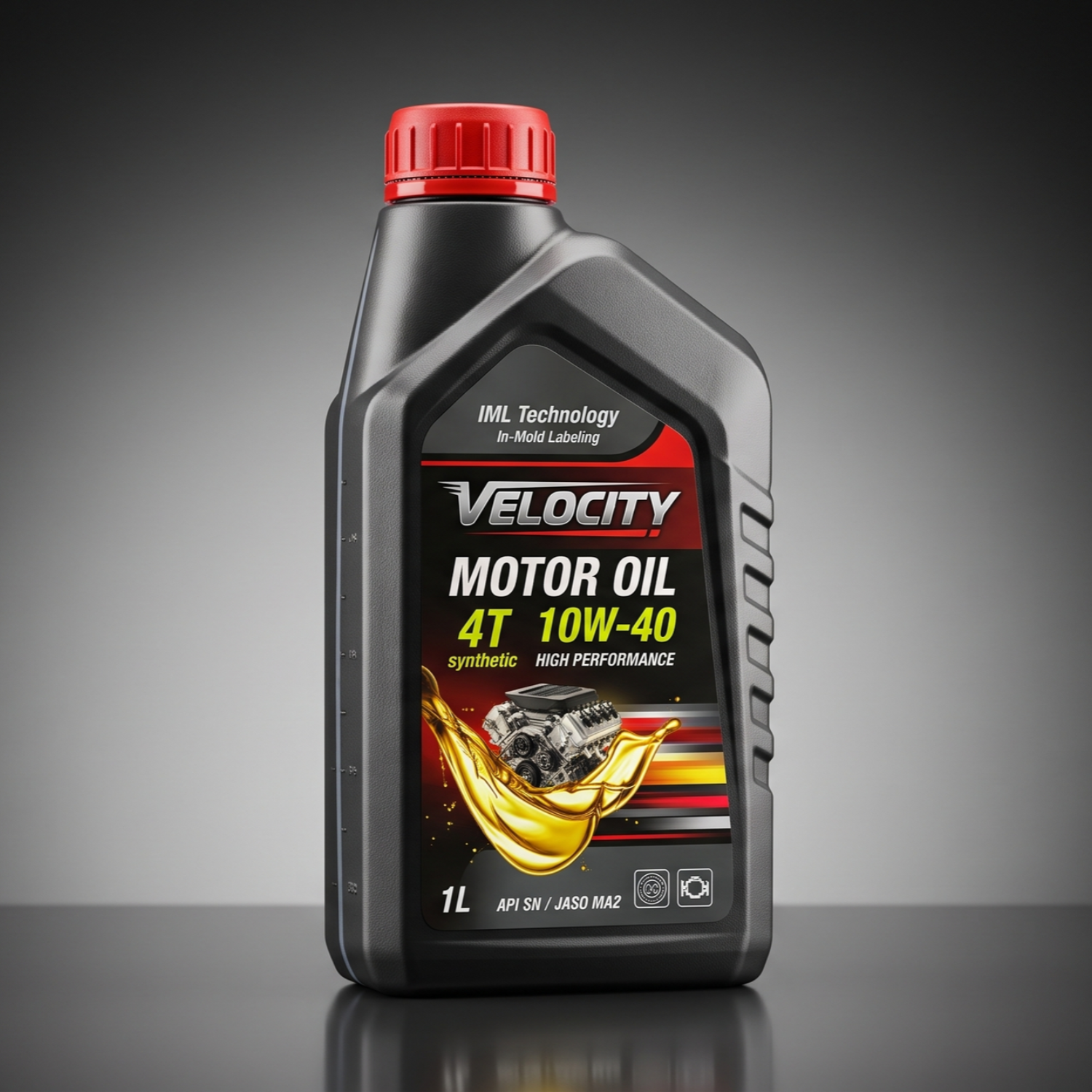
Nguyên liệu là yếu tố cốt lõi quyết định chất lượng và hiệu quả của công nghệ In-Mold. Việc lựa chọn đúng màng nền, nhựa tạo hình, hệ mực và lớp phủ không chỉ giúp sản phẩm đạt yêu cầu thẩm mỹ mà còn đảm bảo độ bền, khả năng gia công và tính ổn định trong sản xuất hàng loạt.
Trong đó, màng PP đang giữ vai trò quan trọng trong công nghệ IML dành cho bao bì nhựa, trong khi màng PET và PC có nhiều ứng dụng trong lĩnh vực IMD/FIM cho thiết bị điện tử, ô tô và hàng gia dụng.
Với xu hướng tự động hóa sản xuất, tối ưu vật liệu và phát triển bao bì có khả năng tái chế, công nghệ IML và IMD/FIM được kỳ vọng tiếp tục mở rộng ứng dụng trong ngành công nghiệp nhựa và in ấn bao bì hiện đại.
In the plastic packaging and product surface decoration industries, In-Mold Labeling (IML) and In-Mold Decoration (IMD/FIM) are advanced technologies that integrate labels, graphics, and decorative patterns directly into plastic products during the molding process.
Unlike conventional labeling methods, which involve applying labels after a product has been manufactured, In-Mold technology uses specially printed labels or films that are placed inside the mold before plastic molding. During the manufacturing process, the label or decorative film bonds with the plastic material, creating a finished product with an integrated surface design.
To ensure product quality, material selection plays a critical role. In-Mold materials are generally divided into three main groups: label/film substrates, molding resins, and printing inks/protective coatings.
The substrate is the material that carries printed content, images, colors, and decorative patterns. It must withstand processing conditions, be compatible with the molding resin, and maintain proper bonding throughout the molding process.
PP Film (Polypropylene)
PP is the most widely used material in IML technology, particularly in the food packaging industry.
Key characteristics:
Lightweight with good mechanical strength.
Good moisture resistance and chemical resistance.
Available in white, transparent, glossy, and metallic finishes.
Good compatibility with PP plastic products when properly designed.
Supports mono-material packaging structures that can facilitate recycling.
Applications: Yogurt cups, ice cream containers, butter tubs, food packaging, paint buckets, and household plastic containers.
PE Film (Polyethylene) and Multilayer Films
PE films and multilayer film structures are used in selected applications requiring flexibility or compatibility with specific plastic substrates.
Key characteristics:
Good flexibility and durability.
Good moisture resistance.
Material properties can be customized through different film structures and layer combinations.
Suitable for specialized packaging and decorative applications.
Applications: Flexible plastic packaging and selected bottles, jars, and containers with specific material structures.
PET (Polyethylene Terephthalate) and PC (Polycarbonate) Films
These materials are commonly used in IMD/FIM technology, particularly for applications requiring high-quality surface decoration.
Key characteristics:
High stiffness and dimensional stability.
Good heat resistance, depending on the material grade.
Excellent transparency and image presentation.
Suitable for forming, molding, and complex surface decoration processes.
Applications: Electronic device housings, control panels, home appliances, automotive interior components, and decorative plastic parts.
Paper Labels and Specialty Films
In addition to polymer films, certain specialized applications may use paper-based materials or specially engineered film structures.
Material selection depends on heat resistance, dimensional stability, compatibility with the molding resin, and the requirements of the molding process.
Molding resin is the plastic material injected into the mold to form the product body while bonding with the label or decorative film.
Common molding resins include:
PP (Polypropylene): Widely used in yogurt cups, food containers, plastic buckets, and consumer packaging. Particularly suitable for IML applications using PP labels.
PE (Polyethylene): Offers flexibility, toughness, and good moisture resistance. Used in selected packaging and plastic products.
ABS (Acrylonitrile Butadiene Styrene): Provides good rigidity and impact resistance. Commonly used for equipment housings and household appliances.
PC (Polycarbonate): Offers excellent impact strength and good heat resistance, making it suitable for technical components and surface decoration.
PC/ABS: Combines selected advantages of both materials and is commonly used in electronic components and automotive interiors.
Note: Not all label films are compatible with every molding resin. Material selection must consider processing temperature, surface properties, and the bonding mechanism between different material layers.
Printing inks and protective coatings play an essential role in determining image quality, color durability, and surface protection in In-Mold applications.
Specialized Printing Inks
Depending on the film substrate and printing technology, manufacturers may use:
Flexographic printing inks.
Offset printing inks.
Gravure printing inks.
UV-curable or solvent-based ink systems designed for specific processing requirements.
Printing inks must provide good adhesion to the film substrate, withstand molding temperatures, and maintain color stability throughout the manufacturing process.
Protective Coatings
Protective coatings are applied to safeguard printed graphics and enhance the surface properties of the finished product.
Main functions include:
Improving scratch and abrasion resistance.
Protecting printed colors against environmental exposure.
Creating glossy, matte, or specialty surface finishes.
Improving chemical resistance, depending on the coating system.
For each application, the ink and coating structure must be carefully designed to match the printing, forming, and molding processes.
Although both technologies integrate labels or decorative elements during the manufacturing process, IML and IMD/FIM differ in their primary purposes and material structures.
| Criteria | IML | IMD/FIM |
|---|---|---|
| Main purpose | Integrating labels into plastic products | Decorating plastic product surfaces |
| Common materials | PP films | PET and PC films |
| Applications | Packaging, cups, containers, paint buckets | Electronics, automotive, home appliances |
| Key requirements | Bonding strength, color durability, material compatibility | Formability, heat resistance, surface durability |
| Finished products | Plastic packaging with integrated labels | Plastic components with integrated decorative surfaces |
Materials are fundamental to the quality and performance of In-Mold technology. Selecting the right substrate, molding resin, printing ink, and protective coating ensures not only visual appeal but also durability, processability, and consistency in mass production.
Among these materials, PP film plays a particularly important role in IML technology for plastic packaging, while PET and PC films are widely used in IMD/FIM applications for electronic devices, automotive components, and household appliances.
With the growing adoption of manufacturing automation, material optimization, and recyclable packaging solutions, IML and IMD/FIM technologies are expected to expand further across the plastics and modern packaging industries.